


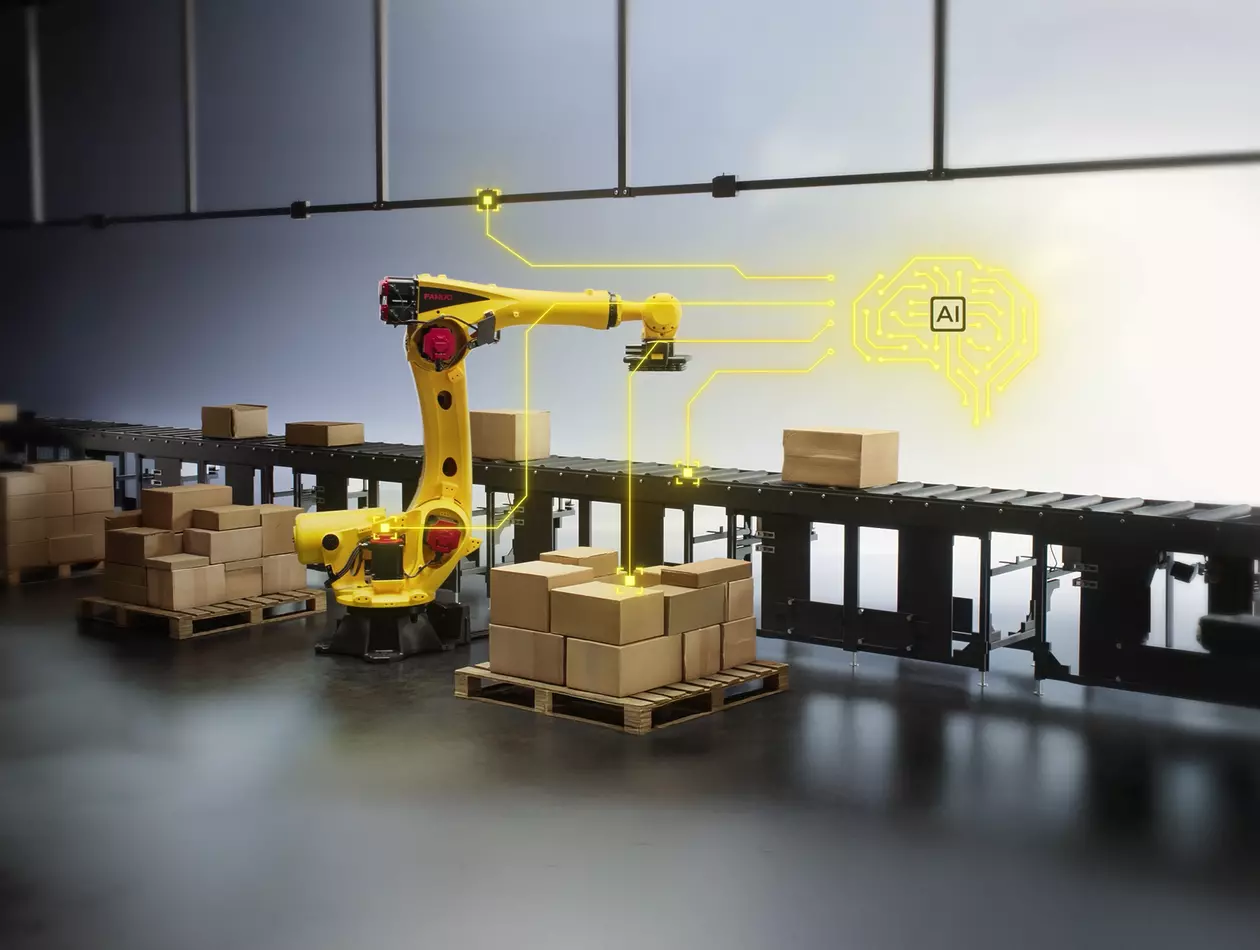
Python Robot Programming for FANUC Controllers
Simplify AI Integration with Native Python Execution
Python has become a leading language for developing AI and machine learning applications. FANUC robot controllers can now execute Python programs directly, eliminating the need for an external PC and creating a more direct connection between AI applications and robot control.
By running Python natively on the controller, manufacturers can reduce system complexity, streamline integration and simplify the deployment of intelligent automation solutions. Developers benefit from a familiar programming environment while gaining direct access to robot functionality.
Whether developing AI-powered inspection systems, analysing production data or creating custom automation applications, Python provides a flexible foundation for innovation and intelligent automation.
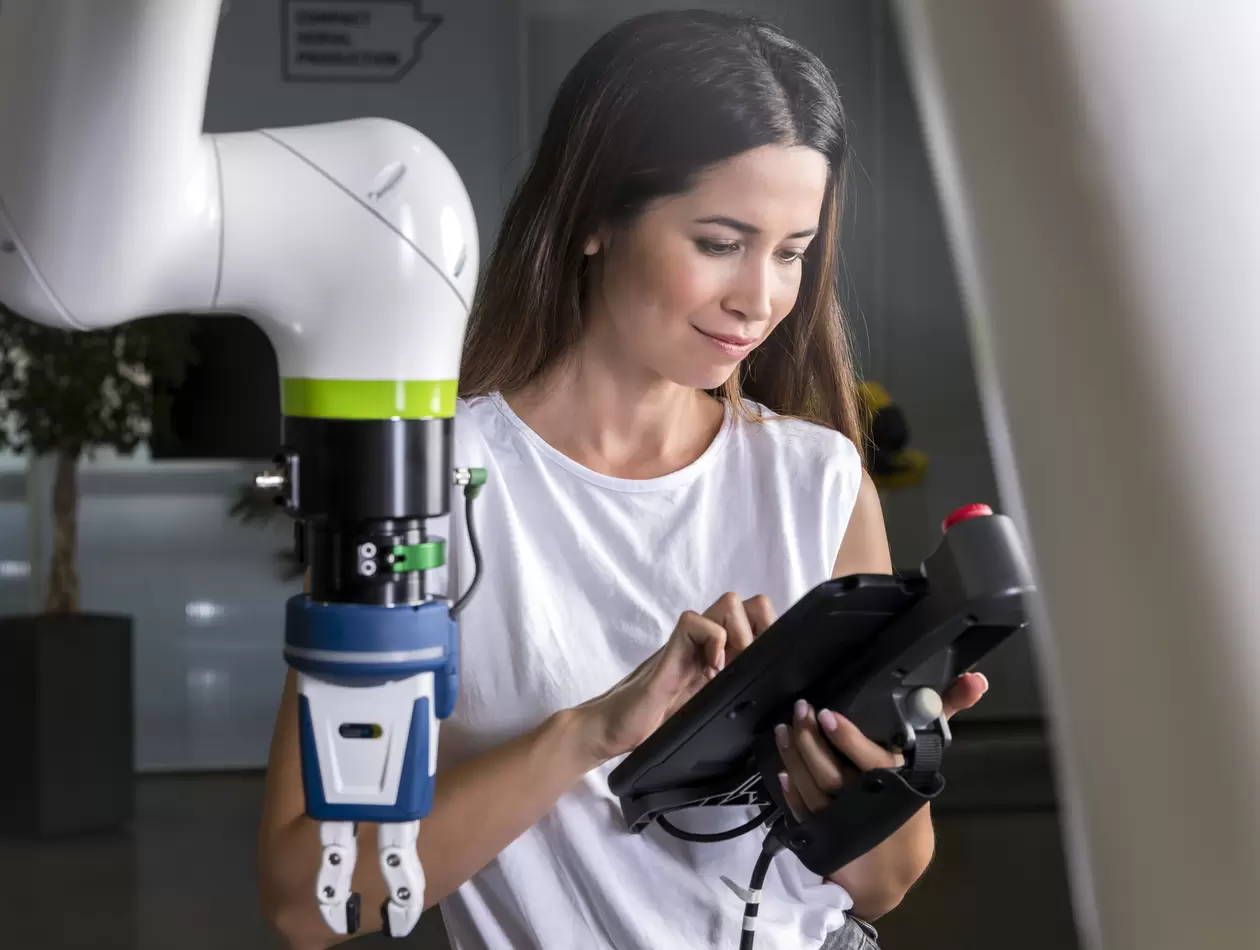
Benefits of Python Robot Programming

Simplify AI Integration

Leverage the Python Ecosystem

Accelerate Development Cycles

Turn Data into Actionable Insights

Work in a Familiar Development Environment
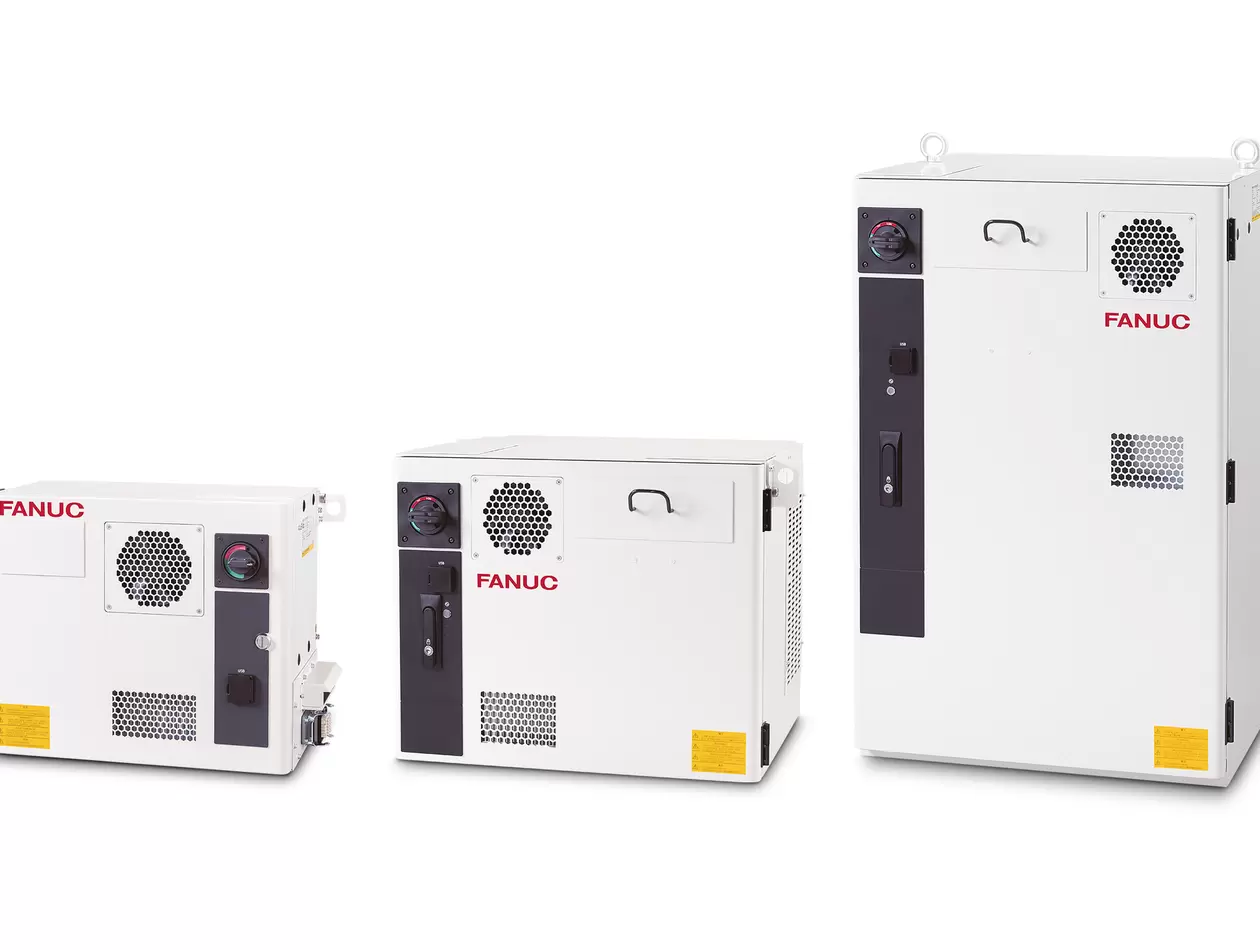
Run Python on the R-50[fanuc_tokens:intelligent_i]A Controller
The globally popular programming language Python can now be executed directly on the R-50𝑖A controller. This robot control enables seamless integration of rich open-source libraries, such as those for statistical processing, data analysis, and image processing, into robot control. The development environment supports VS Code (Visual Studio Code), allowing efficient program development with advanced remote debugging features such as step execution, breakpoints, and variable views.
Easy to Use with Dedicated Libraries
FANUC provides dedicated Python libraries to simplify robot control. Using these libraries, developers can intuitively access various robot data from Python, such as I/O (signal input/output) and register values (variable settings). Furthermore, by combining the optional Remote Motion Interface, robots can be commanded to move directly from Python. Python programs created in this way can also be called from conventional TP programs, enabling seamless integration of FANUC robots with the latest technologies.
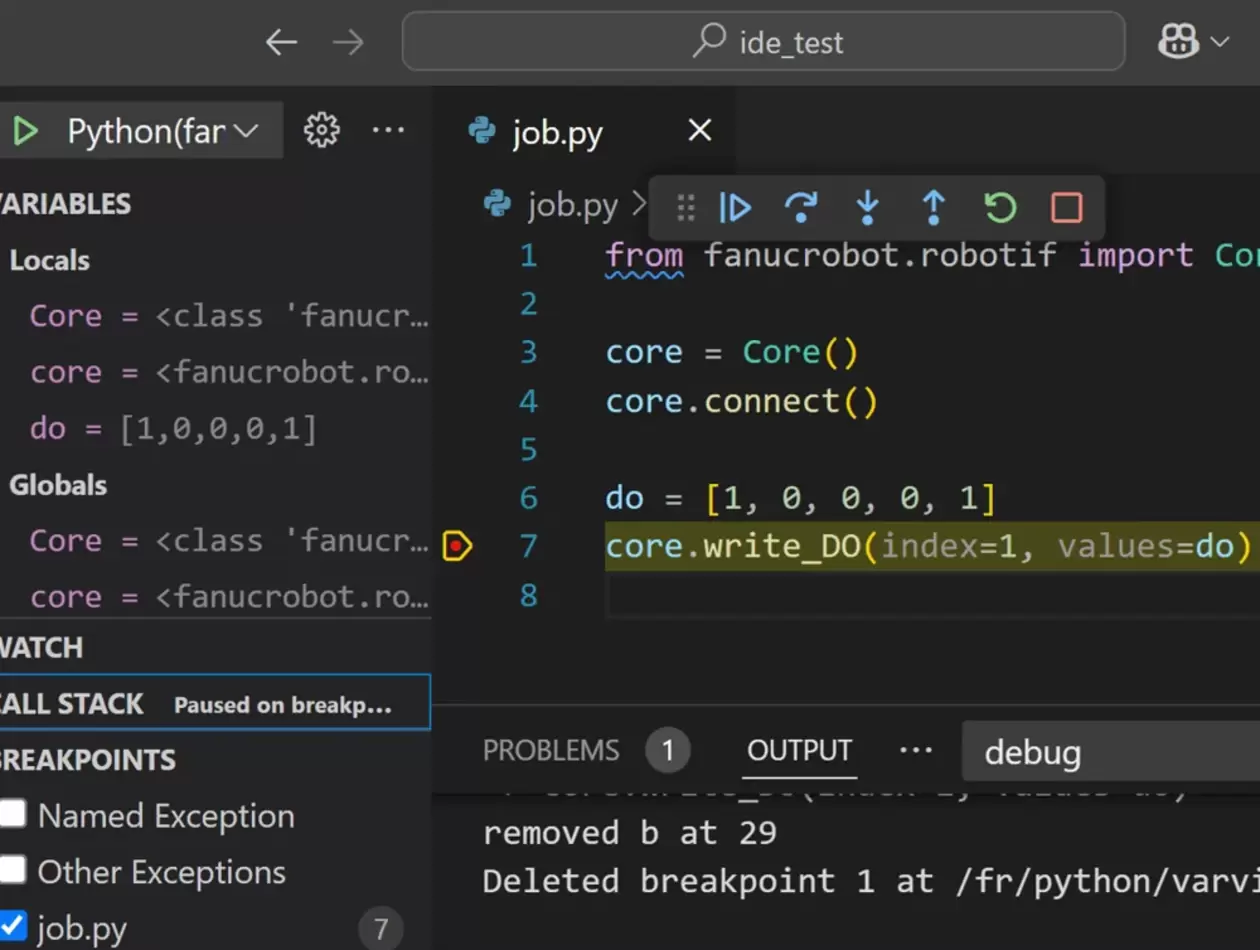
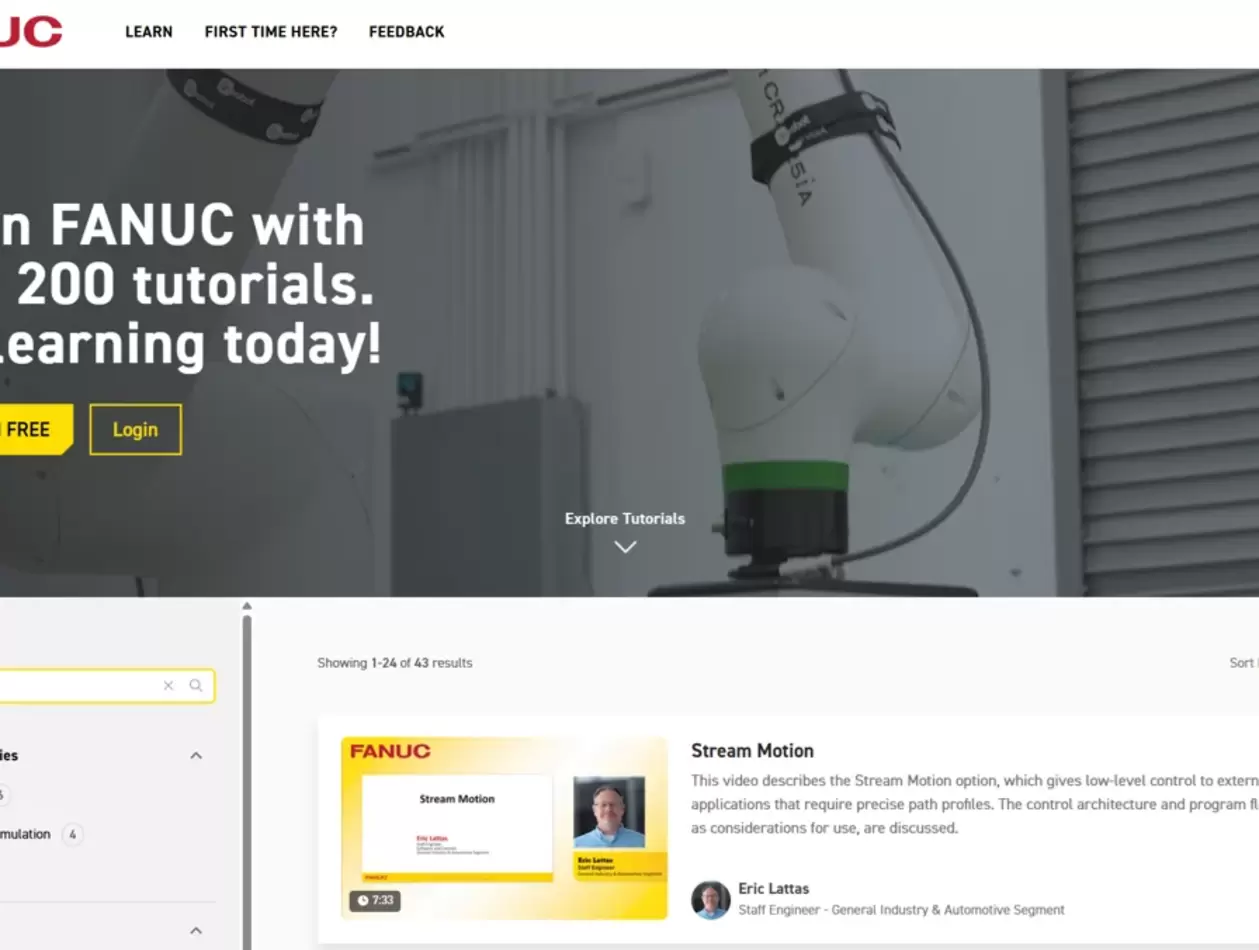
Python Programming on the R-50[fanuc_tokens:intelligent_i]A Controller
Learn how to take advantage of Python programming on the FANUC R-50𝑖A Controller through this Technical Transfer video. Python script execution is a standard feature of the controller, enabling rapid development for file operations, communication processing, numerical calculations, and integration with external systems. The video demonstrates how Python can be used to enhance automation workflows while working directly on the robot controller.
*Free registration required
Python Robot Programming FAQs
Have questions about Python robot programming on FANUC controllers? The answers below explain how Python can be used directly on the R-50𝑖A controller, how it supports automation development, and how it can work alongside existing FANUC robot programming methods.
Yes. FANUC R-50iA controllers can execute Python programs directly on the robot controller, allowing developers to use Python for automation tasks, data processing, communication, and integration with AI applications.
Python can be used for file operations, communication processing, numerical calculations, production data analysis, image processing, and integration with external systems.
Yes. When combined with the optional Remote Motion Interface, Python can be used to command robots to move directly. This allows developers to create Python programs that interact more directly with robot motion and automation processes.
No. Python programs can run directly on supported FANUC robot controllers, reducing the need for a separate PC for certain Python-based automation workflows.
Developers can use FANUC Python libraries to access various types of robot data, including I/O signals and register values. This makes it easier to monitor inputs and outputs, work with variable settings, and build Python-based automation applications.